At a glance
- Our overnight format
- Bivouac in the Erg Chigaga dunes, on our 2- and 3-day tours
- Meals on our bivouac nights
- Dinner and breakfast
- Nearest town
- Foum Zguid
- Protected area
- Lake Iriki lies within Iriqui National Park
- Tent, bedding and bathroom details
- Confirmed in your written quoteconfirmed when you plan
Is there anywhere to stay at Lake Iriki itself?
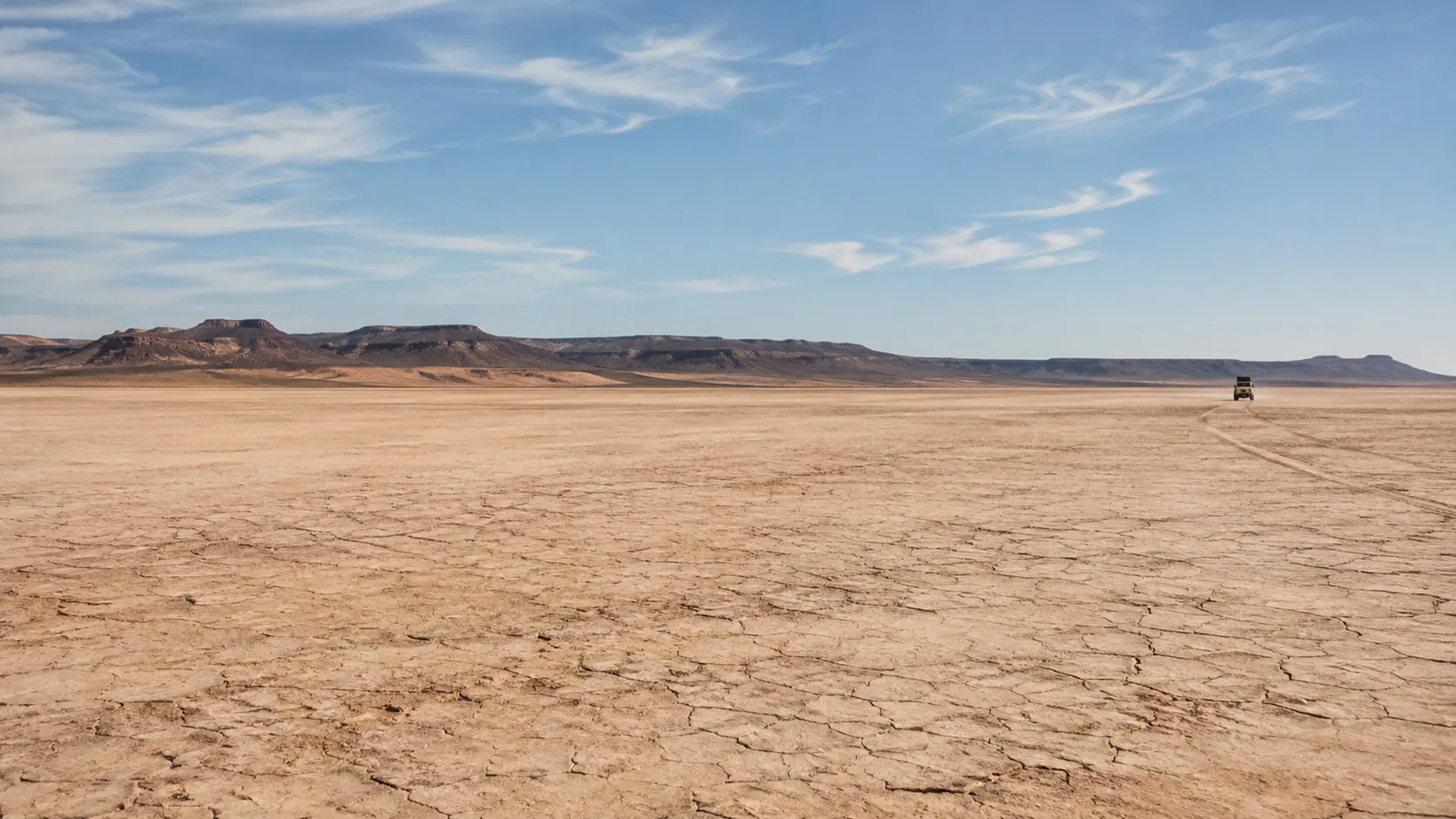
Many people search for a “bivouac at Lake Iriki”, an “auberge at Lac Iriki” or a guesthouse beside the lake, and it helps to start with the landscape. Lake Iriki is an ephemeral lake: for most of recent decades it has been a wide, dry basin of clay and crust, and in September 2024 heavy rain sent floodwater into it. It lies inside Iriqui National Park, which protects arid savanna, dunes, salt flats and the temporary wetland of the lake.
In other words, the lake is an open, protected basin, not a resort area. Most travellers who visit it either return to Foum Zguid the same day or continue across it to spend the night in the dunes of Erg Chigaga. That is exactly how our own tours work.
You may find accommodation online that uses the lake’s name. Some of it may be near the basin, some further away. We can’t vouch for any of it, and this page doesn’t try to. What we can do is explain the kinds of stay you will come across, describe our own format honestly, and give you a list of questions to ask any provider, including us.
Three kinds of desert stay in the area
Mobile or “wild” bivouac
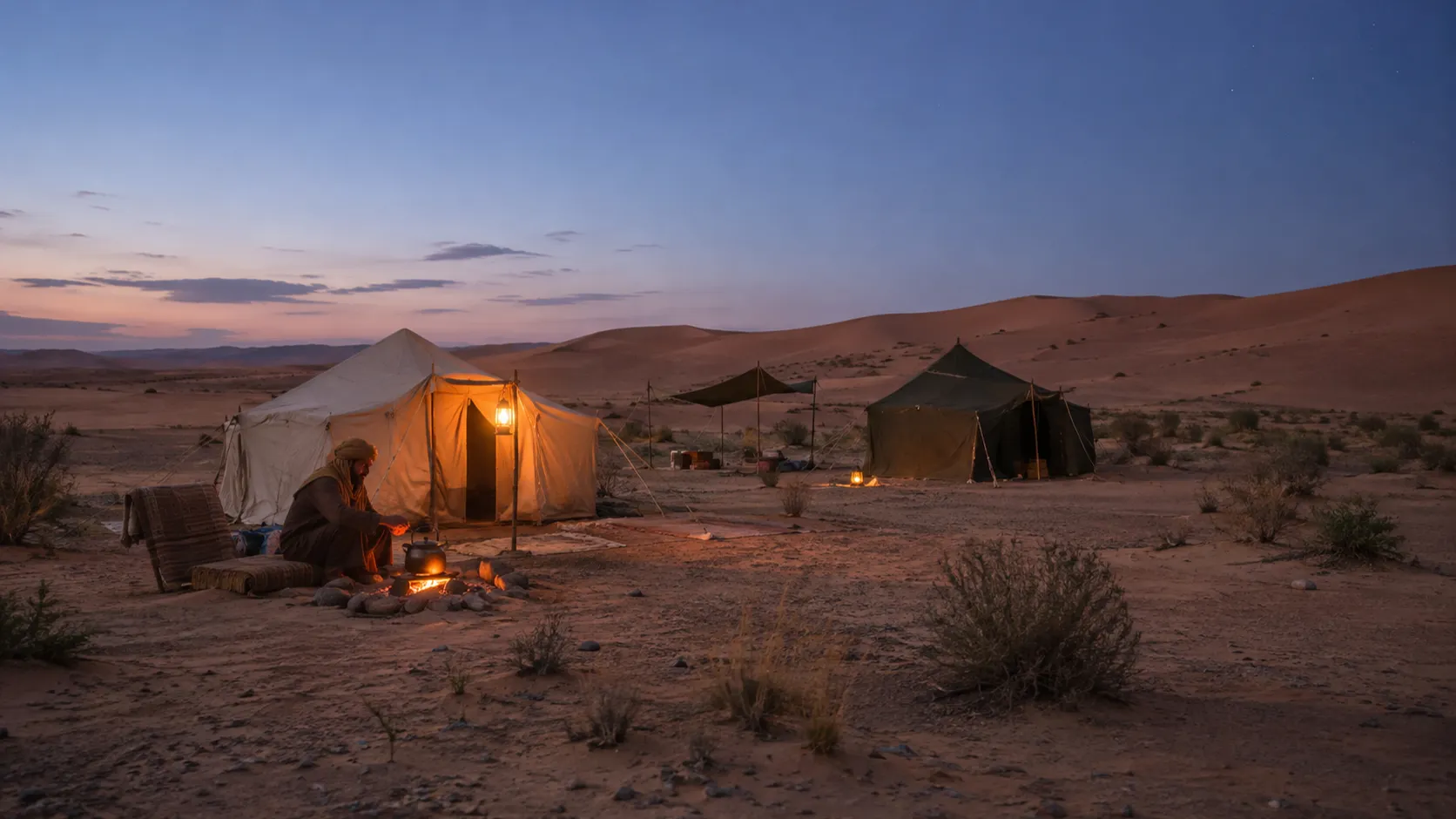
A mobile bivouac is a camp set up for a night or two and then moved. It is the most direct way to sleep in the desert: you are usually far from other groups, the setting can change with the route, and the night sky is as dark as it gets. In exchange, facilities tend to be simple, and what “simple” means varies a great deal from one organiser to the next. Ask exactly what is provided.
Fixed camps in the Erg Chigaga dunes
Erg Chigaga has a number of fixed camps: tents that stay in place through the season, often with a shared dining area. Standards range widely, from basic to comfortable, and the same word, “camp”, “bivouac” or “luxury camp”, can describe very different things. Location matters as much as comfort: some camps sit close together, others are more isolated. Photos online are not always recent; written answers to specific questions are more reliable than adjectives.
Guesthouses and auberges in Foum Zguid
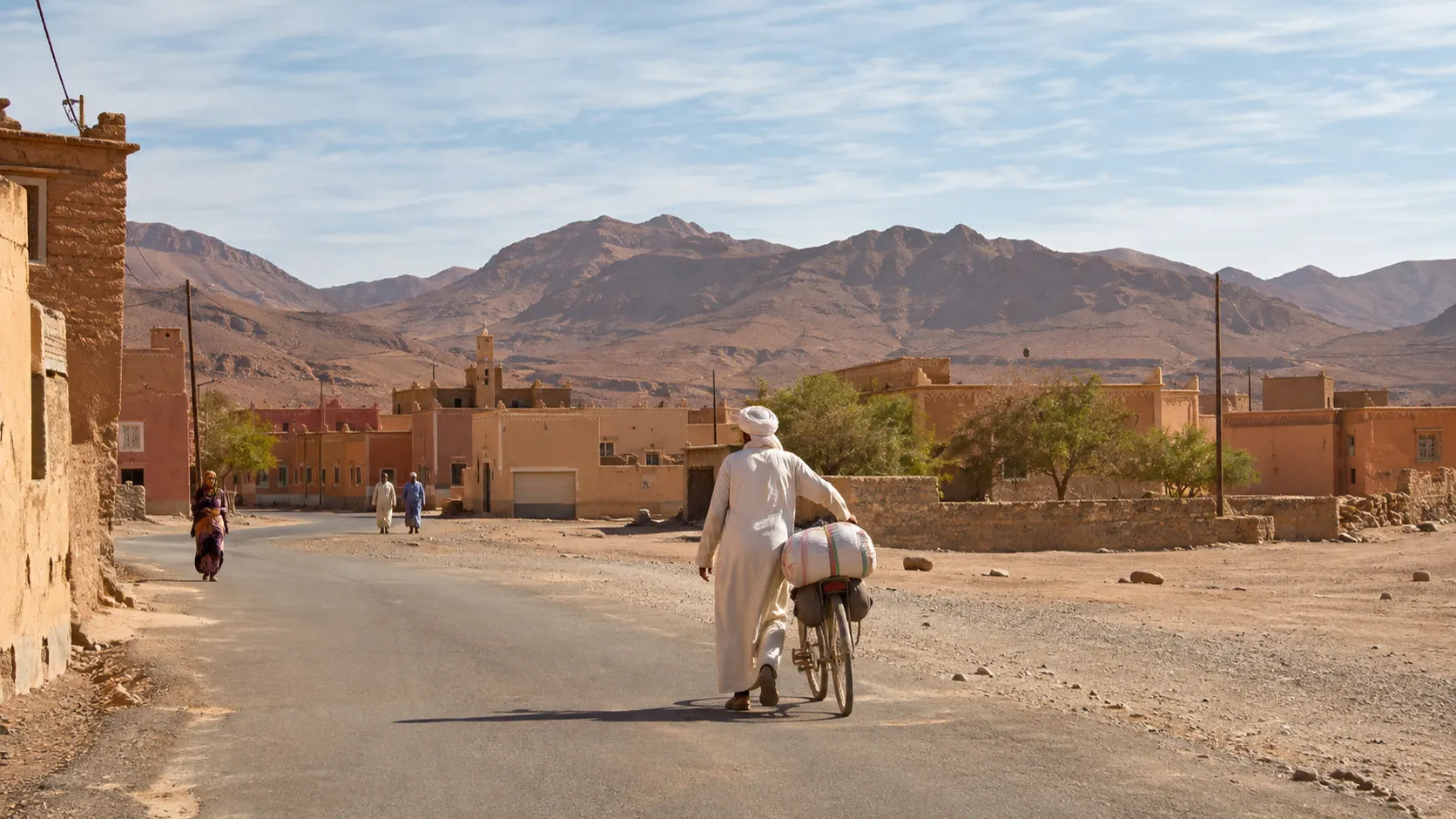
Foum Zguid is the nearest town and the usual starting point for trips to the lake. It is where you will find conventional rooms in small guesthouses and hotels: a bed, four walls and a shower, before or after your time in the desert. Many travellers sleep in town the night before an early departure, or after a day trip to the lake.
Looking for a specific guesthouse or camp?
If you are searching for a particular named guesthouse, auberge, “petite maison” or camp near the lake, the best thing to do is contact that business directly. Only they can confirm where they are, what they offer, whether they are open in your season and how to book.
We don’t represent, manage or take bookings for any other accommodation. We mention this plainly because names and listings travel fast online, and on booking platforms a property described as being “at Lake Iriki” can be some distance from it. Check the location on a map, read recent reviews, and ask the questions in the checklist below.
Our own overnight format
We are a family business based in Foum Zguid, running private 4x4 tours with a driver-guide. On our overnight tours, the night is spent at a bivouac in the Erg Chigaga dunes, with dinner in the evening and breakfast the next morning:
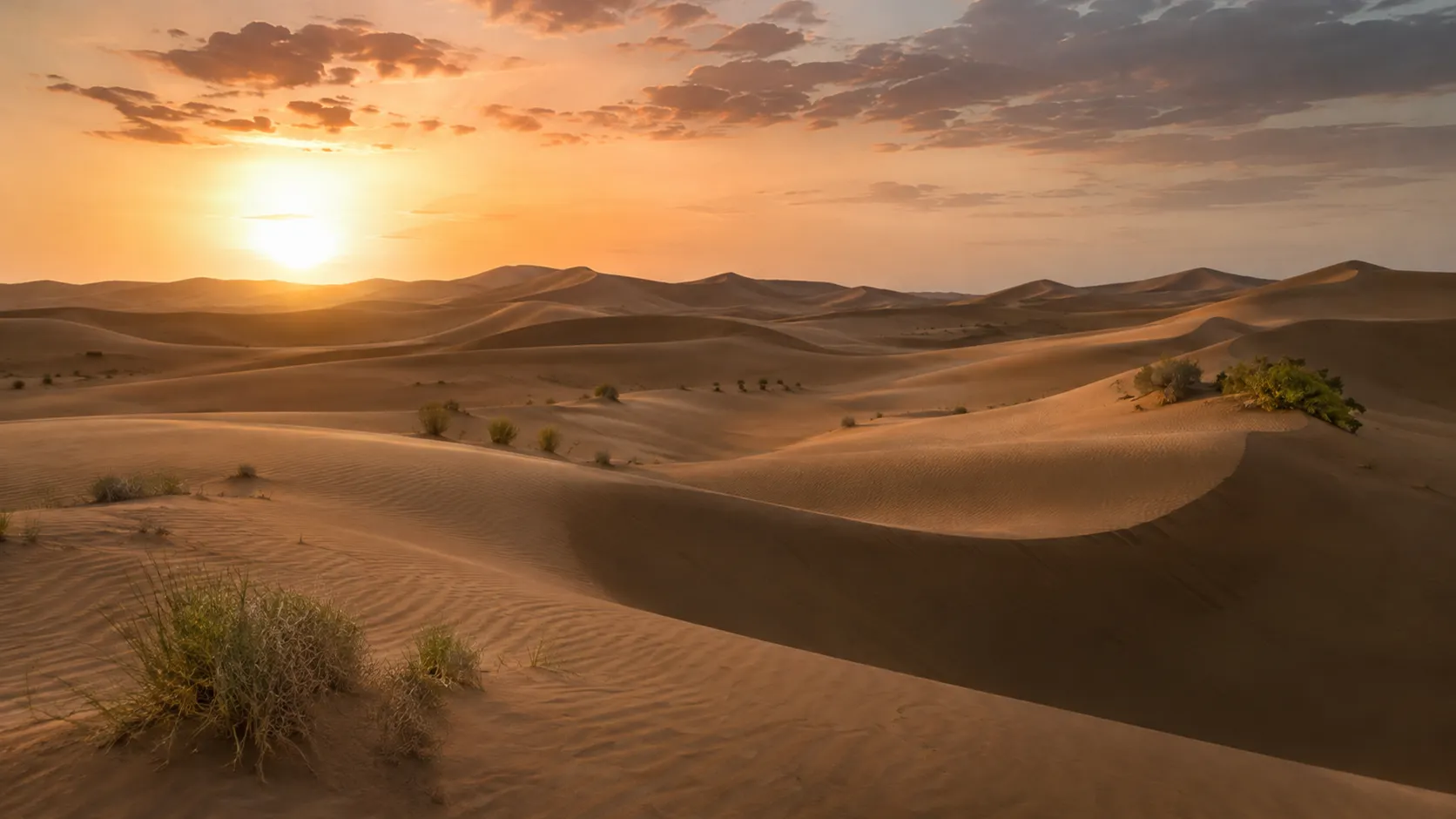
- The 2-day tour from Foum Zguid to Erg Chigaga crosses the Iriki basin and spends one night at the bivouac.
- The 3-day tour spends two nights in the dunes, with a full day in the erg in between.
Our standard tours don’t include a night on the lakebed itself. If you would like to spend a night closer to the basin, ask us; we will tell you honestly what is possible and permitted in the park.
We don’t describe the bivouac’s comforts in adjectives on this page. Instead, every detail that matters to your night is confirmed in your written quote, so you can compare like with like before you commit.
What to ask before you book (any desert stay)
Use this list with us and with anyone else you are considering. Clear answers in writing are worth more than any photo.
- Tent: what type and size? Is it private to your group, or shared?
- Bed: a real bed, a mattress on the ground, or a sleeping mat? Are blankets and pillows provided? Should you bring a sleeping bag?
- Bathroom: is there a toilet, and is it private, shared or a short walk away? What are the washing facilities?
- Hot water: is there any, and how is it provided?
- Power and charging: is there electricity or solar power? Can you charge a phone or camera, and where?
- Light: what lighting is there in the tent and around the camp at night?
- Privacy and noise: how close are other tents or other groups? Is there music or a campfire gathering in the evening, and can you skip it?
- Winter nights: is there heating or extra bedding when it gets cold?
- Meals: what is served at dinner and breakfast? Can vegetarian or other dietary needs be met?
- Children: are there suitable beds and bedding for children?
- Getting there: how do you reach the camp, and with whom? Who drives the pistes?
- Weather and conditions: what happens if rain or wind makes the route unsafe?
- Terms: deposit, payment and cancellation, in writing.
Choosing by season
Autumn, winter and spring are generally the most comfortable seasons for a night in the dunes. Days are mild to warm, but nights can be cold, especially in winter, so ask about bedding and any heating. In summer the daytime heat is intense, while evenings are milder; plan to rest through the middle of the day.
Rain is rare but changes everything. After heavy rain, parts of the Iriki basin and the tracks around it can become soft or impassable for a time, which can affect how you reach any camp. Ask for a current report on conditions shortly before you travel.
A good night in the desert, responsibly
Wherever you stay, the dunes and the park are fragile. Take your rubbish with you, use the toilet facilities provided, keep noise down after dark, and don’t collect stones, fossils or plants. Walk a little way from the camp lights to look at the sky; you’ll see far more, and you won’t disturb anyone.
For the wider picture of the lake and the landscape around it, read our Lake Iriki guide and our Erg Chigaga page. When you are ready, plan your trip and tell us what kind of night you are hoping for.
Questions travellers ask
Can I sleep on the Lake Iriki lakebed?
Our standard tours don't sleep on the lakebed; our overnight tours stay at a bivouac in the Erg Chigaga dunes. The lake lies within Iriqui National Park, so if you would like to spend a night closer to the basin, ask us: we will tell you honestly what is possible and permitted.
Is there an auberge or guesthouse at Lac Iriki?
We can only speak for our own tours. If you have found a guesthouse, auberge or camp online that uses the lake's name, contact that business directly to check where it is, what it offers and whether it is open. We don't represent other accommodation in the area.
Do you manage or take bookings for other guesthouses or camps?
No. We are a family business based in Foum Zguid running private 4x4 tours with a driver-guide. We don't manage, represent or take bookings for any other guesthouse, auberge or camp.
Is there hot water and electricity at your bivouac?
These details are confirmed in your written quote rather than promised on a web page. Tell us what matters to you, from hot water to charging a phone, and we will answer in writing before you book.
How cold is a night in the dunes?
From late autumn to early spring, nights in the desert can be genuinely cold, even after a warm day. Bring warm layers, a hat and socks, and ask what bedding and blankets are provided.
Sources
Facts on this page were checked against the sources below. Conditions in the desert change — ask us for a current report before you travel.
- Iriqui National Park — Lonely Planet, consulted 11 November 2026
- Iriqui National Park — Wikipedia, consulted 11 November 2026
- A Deluge for the Sahara — NASA Earth Observatory, consulted 11 November 2026
First published ·Last updated